
Meteorological Instruments & Compasses for Yachts
Meteorological instruments are essential onboard tools that support safe navigation, voyage planning, and environmental awareness on yachts and boats. On the bridge or at the chart table, these instruments work alongside navigation compasses to provide captains and crew with reliable information for decision-making at sea, particularly in changing or challenging weather conditions.
This category brings together marine-grade meteorological instruments and bridge-related navigation tools designed specifically for boating and yachting use. These products are engineered to perform accurately in demanding marine environments where salt air, humidity, vibration, and temperature variation are constant factors.
Weather Awareness and Bridge Navigation
On a yacht, weather monitoring and navigation are closely linked. Accurate weather data helps crews interpret what they see on the compass and charts, allowing for better course planning, speed management, and safety assessments.
Meteorological instruments complement bridge navigation compasses by providing environmental context, helping crews understand how wind, pressure, and temperature may influence heading, sea state, and vessel behaviour.
Essential Meteorological Instruments Used on Yachts
Professional yachts rely on a combination of traditional and modern meteorological instruments, each serving a specific purpose onboard.
Nautical clocks provide a dependable time reference for navigation, watchkeeping, and daily operations. Often installed alongside other bridge instruments, they remain a standard feature on yachts, combining functionality with classic marine design.
Barometers are among the most trusted weather instruments at sea. By tracking atmospheric pressure trends, barometers help captains predict approaching weather systems and adjust plans accordingly, particularly during coastal and offshore passages.
Hygrometers measure humidity levels inside the yacht. Managing humidity is essential for protecting interiors, reducing condensation, and preventing mould or moisture damage, especially in cabins, saloons, and enclosed spaces.
Marine Thermometers monitor air temperature and support onboard comfort management. Accurate temperature readings are useful for both operational awareness and guest comfort, particularly in changing climates.
Marine thermohygrometers combine temperature and humidity measurement in a single instrument. These dual-function devices are commonly used on yachts to efficiently monitor interior environmental conditions with minimal space requirements.
Clinometers measure the angle of heel or inclination of the vessel. They are particularly valuable on sailing yachts and during rough sea conditions, providing a clear visual reference of trim and stability.
Weather stations integrate multiple meteorological readings into one system, offering a consolidated view of environmental data. These are ideal for yachts seeking a centralised and easy-to-read weather monitoring solution on the bridge or navigation station.
Mechanical and Electronic Bridge Instruments
Yachts commonly use both mechanical and electronic instruments. Mechanical instruments are valued for their reliability and independence from power sources, while electronic instruments provide instant digital readings and can integrate with navigation systems.
Both types are designed to work in harmony with marine compasses, ensuring continuity of navigation and situational awareness even during electrical failures.
Installation and Placement Onboard
Meteorological instruments and compasses should be installed in visible, stable locations away from direct heat sources, ventilation outlets, and excessive vibration. Typical mounting positions include the bridge console, chart table, and interior navigation panels.
Marine-grade materials ensure long-term durability and corrosion resistance in offshore conditions.
Meteorological Instruments for Professional Yacht Use
If you are searching for yacht meteorological instruments, marine weather instruments, or bridge navigation compasses, this category offers reliable solutions suited to professional and private yachts. These instruments are trusted by captains, navigators, and yacht managers to support safer navigation, accurate weather monitoring, and confident decision-making.
By equipping a yacht with both meteorological instruments and compasses, crews gain a comprehensive understanding of their environment—supporting safer passages, improved planning, and a more controlled onboard experience.
For a deeper understanding of marine navigation fundamentals, including compass types, calibration, and best practices at sea, explore our detailed guide to nautical compasses for yachts and boats
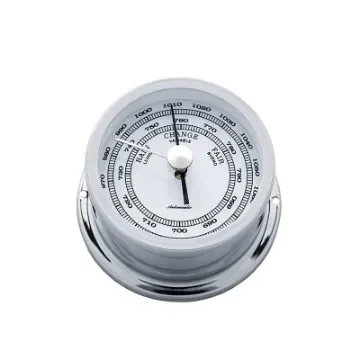
Autonauticinstrumental - Aneroid Barometer B72C - Compact Weather Instrument
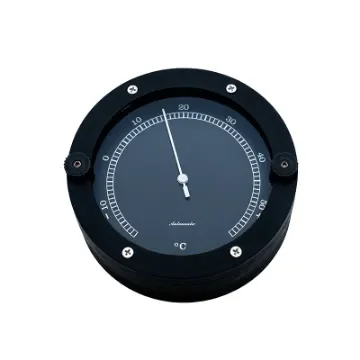
Autonauticinstrumental - Aneroid Barometer TBP - Durable Black Casing
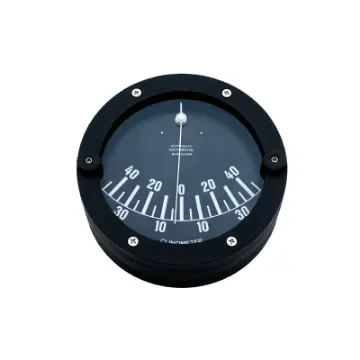
Autonauticinstrumental - Aneroid Clinometer - Durable Black Polyamide
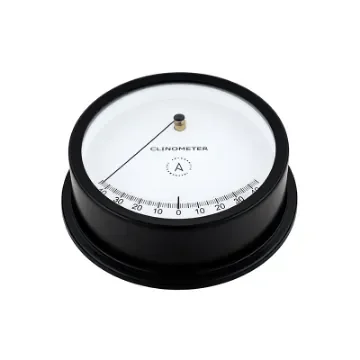
Autonauticinstrumental - Aneroid Clinometer CL120N - Black Finish
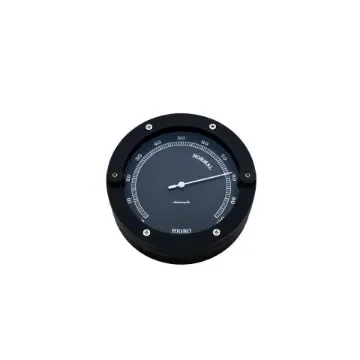
Autonauticinstrumental - Aneroid Hygrometer - Durable Black Polyamide
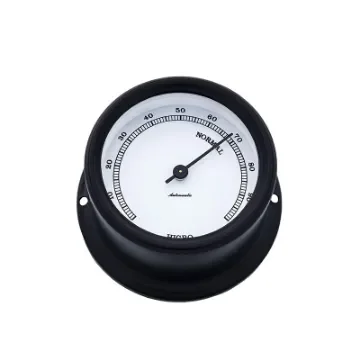
Autonauticinstrumental - Aneroid Hygrometer H72N
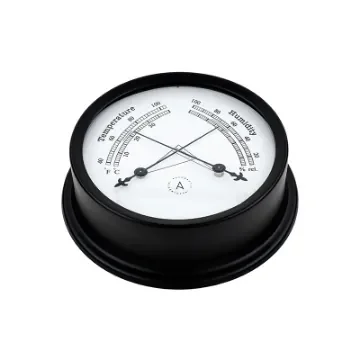
Autonauticinstrumental - Aneroid Hygrometer TH120N - Thermo-Hygrometer
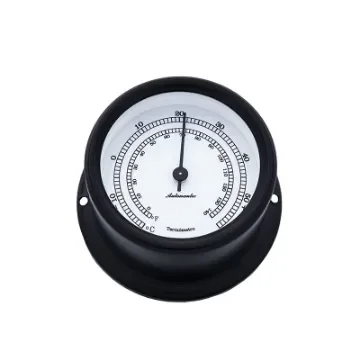
Autonauticinstrumental - Aneroid Thermometer T72N - Black Aluminium
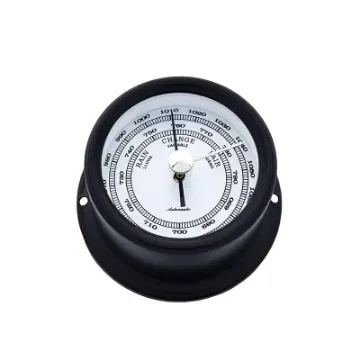
Autonauticinstrumental - Black Barometer B72N
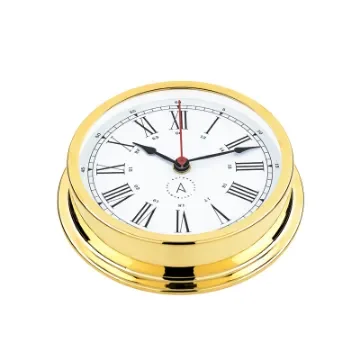
Autonauticinstrumental - Brass Quartz Nautical Clock - R175D
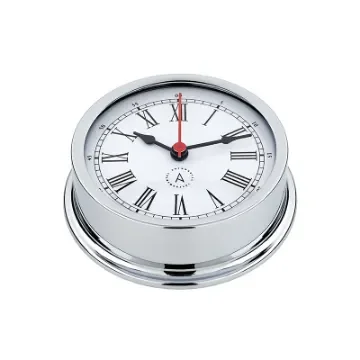
Autonauticinstrumental - Chrome Nautical Clock R120C-R
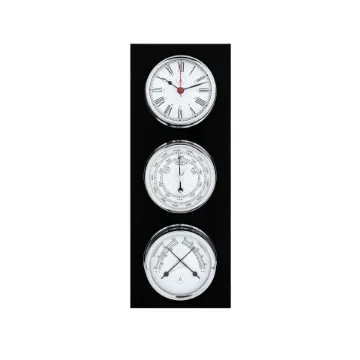
Autonauticinstrumental - Chromed Nautical Weather Station EGC
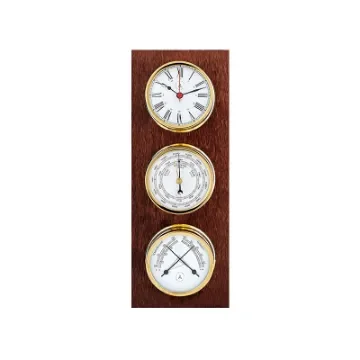
Autonauticinstrumental - Doradna Nautical Weather Station EG
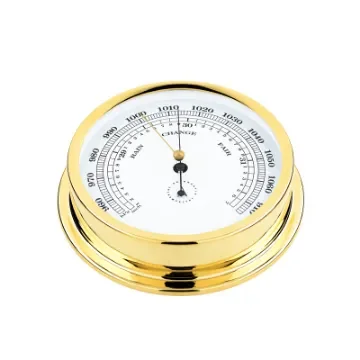
Autonauticinstrumental - Golden Nautical Barometer B175D
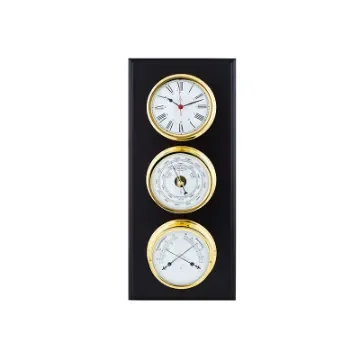
Autonauticinstrumental - Golden Nautical Weather Station EMT
Frequently Asked Questions
What are the best nautical compasses for recreational sailing?
The best nautical compasses for recreational sailing are marine-grade compasses that offer clear readability, stable headings, and reliable performance in varying sea conditions. Recreational sailors typically choose bulkhead-mounted or bracket-mounted compasses with shock resistance and easy visibility from the helm. Durability, accuracy, and suitability for the vessel size are more important than advanced features.
How do I choose a nautical compass for boating trips?
To choose a nautical compass for boating trips, consider the type of boat, helm position, and sailing environment. Important factors include compass size, mounting style, visibility angle, and whether the compass will be used primarily for coastal cruising or longer passages. For yachts, compasses are often selected to integrate visually and functionally with other bridge instruments.
Why are compasses still important on modern yachts?
Compasses remain essential on modern yachts because they provide a reliable, independent navigation reference. Unlike electronic systems, a magnetic compass does not rely on power or satellite signals. When used alongside meteorological instruments, compasses help crews interpret weather conditions and maintain safe headings in all situations.
How do meteorological instruments work with nautical compasses?
Meteorological instruments provide environmental data such as atmospheric pressure, humidity, and temperature, which helps crews understand how weather conditions may affect navigation. When used together, compasses and weather instruments support better route planning, safer decision-making, and improved situational awareness on the bridge.
Are mechanical or electronic compasses better for yachts?
Both mechanical and electronic compasses are widely used on yachts. Mechanical compasses are valued for their reliability and independence from power, while electronic compasses can integrate with navigation systems. Many yachts use mechanical compasses as a primary reference and electronic systems as a secondary aid.
How to calibrate a nautical compass on a sailboat
To calibrate a nautical compass on a sailboat, you need to adjust the compass to correct for magnetic interference from the vessel, a process known as swinging the compass. This ensures accurate headings when navigating under sail or power.
Start by choosing calm conditions in open water, away from docks, steel structures, or other vessels. Make sure all onboard electronics and equipment are in their normal operating positions, as these can affect the compass reading.
Use a reliable reference for true heading, such as a GPS course over ground, charted transits, or a marina compass rose. Slowly turn the sailboat through a full 360 degrees, stopping at key headings such as north, east, south, and west. At each heading, compare the compass reading to the true heading and note any difference.
Most marine compasses include adjustment screws for north–south and east–west correction. Using a non-magnetic screwdriver, make small adjustments to reduce the error across opposite headings. The objective is to minimise deviation evenly rather than eliminate it completely.
Once adjustments are complete, create or update a compass deviation card showing any remaining error at specific headings. Keep this card near the compass so corrections can be applied during navigation.
Regular calibration is recommended after installing new equipment, completing refits, or at the start of each sailing season. A properly calibrated nautical compass provides a reliable, power-independent navigation reference and remains an essential safety tool on any sailboat.



