
Boat and Yacht Engineering: Marine Systems, Yacht Spares, and Reliability at Sea
Boat and yacht engineering is fundamental to the safe, efficient, and reliable operation of vessels in demanding marine environments. From small boats to large yachts and superyachts, engineering systems must perform under constant vibration, corrosion exposure, and continuous load. Modern yacht engineering combines mechanical expertise, electrical precision, and system integration supported by marine-grade yacht spares and professional engineering solutions.
This article provides an educational overview of yacht engineering, explaining how boat engineers manage onboard systems, machinery, power distribution, and replacement parts to ensure long-term reliability at sea.
Yacht Engineering and the Role of Boat Engineers on Yachts and Superyachts
Yacht engineering covers the installation, operation, and maintenance of all technical systems onboard. Boat engineers working on yachts and superyachts are responsible for ensuring that propulsion, electrical, hydraulic, and support systems operate in line with industry standards.
On smaller vessels, engineers may oversee all onboard machinery. On superyachts, engineering teams are structured to manage complex systems, redundancy planning, and maintenance schedules while supporting both crew and yacht owners.
Superyacht Engines, Marine Machinery, and Onboard Power Systems
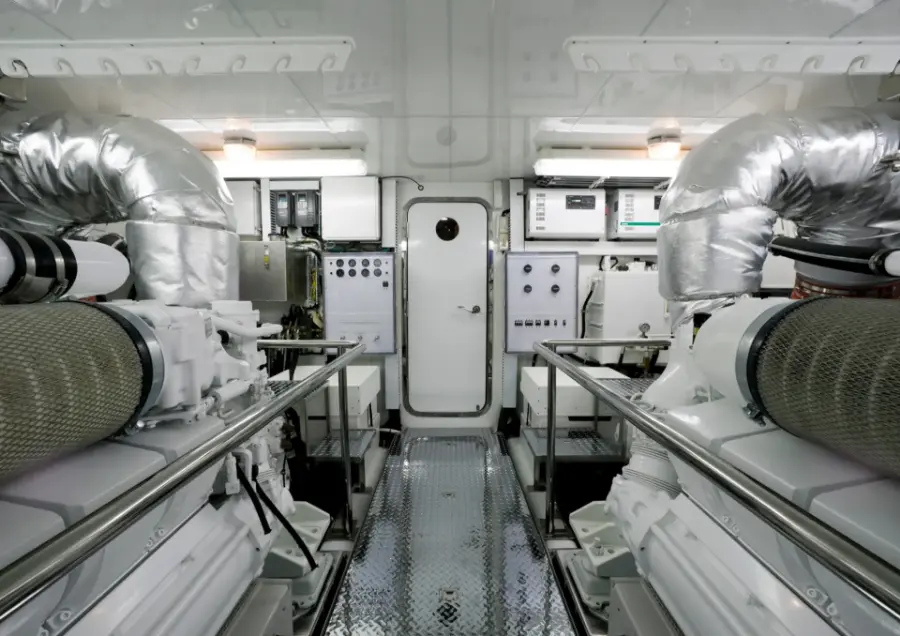
Superyacht engines are designed for durability, efficiency, and continuous operation. These engines operate alongside auxiliary marine machinery that supports propulsion, steering, and onboard services.
Key engineering responsibilities include:
Monitoring engine performance and reliability
Managing lubrication and cooling systems
Supporting power generation and mechanical output
Using precision-engineered yacht spares and compatible machinery components helps engineers maintain performance and reduce unplanned downtime.
Electrical Power Distribution and Onboard Electrical Systems for Yachts
Electrical systems form the backbone of modern yacht operations. Electrical power distribution supports navigation, communication, lighting, security, and hotel services across yachts and superyachts.
Boat engineers manage:
Generators and electrical machinery
Battery banks and power storage
Shore power integration
Electrical components and spares
Marine electrical systems must be corrosion-resistant and designed to meet marine industry standards, ensuring safety and operational continuity.
Hydraulics Systems and Marine-Grade Hydraulic Equipment
Hydraulics play a critical role in yacht engineering, powering essential equipment such as steering systems, cranes, windlasses, and stabilisers. Hydraulic machinery is valued for its strength, precision, and reliability.
Engineering considerations include:
Pressure control and fluid flow
Filtration and contamination prevention
Hose and fitting compatibility
Hydraulic systems and components must be marine-grade to withstand harsh marine environments and continuous operation.
Fuel, Oil Transfer, Filtration, and Lubrication Systems on Yachts
Fuel and oil systems are essential for engine reliability and safety. Yacht engineers manage fuel transfer pumps, oil circulation, filtration units, and lubricants to protect engines and machinery.
Key focus areas include:
Filtration efficiency and contamination control
Lubricant selection and change intervals
Safe transfer of fuel and oil
Properly maintained fuel and oil systems improve performance and extend the life of yacht engines and machinery.
Fresh Water Systems, Filtration, and Corrosion Prevention
Fresh water systems provide potable water for galleys, crew areas, and guest accommodation. These systems rely on pumps, filtration units, and distribution networks.
Engineers must also manage corrosion risks, as exposure to saltwater and humidity can damage onboard systems. Marine-grade materials and corrosion-resistant components are essential for long-term durability.
HVAC, Refrigeration, and Air Conditioning Systems for Yachts
HVAC and refrigeration systems maintain comfort, safety, and operational efficiency onboard. These systems regulate temperature, airflow, and humidity in accommodation spaces and technical rooms.
Yacht engineers are responsible for:
Air conditioning units and chillers
Refrigeration systems for galleys and storage
System reliability and energy efficiency
Well-maintained HVAC systems enhance comfort for crew and yacht owners while protecting sensitive onboard equipment.
AV, IT, Displays, and Optoelectronics in Yacht Engineering
Modern yacht engineering increasingly includes AV and IT systems that support communication, monitoring, and onboard entertainment. Displays and optoelectronics provide real-time system data and operational visibility.
Engineers manage:
Network infrastructure and onboard systems
Monitoring displays and sensors
Integrated control systems
Reliable AV and IT systems improve situational awareness and support efficient vessel operation.
Yacht Spares, Replacement Parts, and Engineering Consumables
Effective spare parts management is a core engineering responsibility. Yacht spares, replacement parts, and consumables support routine maintenance and rapid fault response.
Common items include:
Filters, seals, and gaskets
Lubricants and fluids
Wear components and service consumables
Stocking essential yacht spares onboard improves reliability and reduces operational risk, particularly for yachts operating globally.
Marine-Grade Yacht Equipment, Durability, and Industry Standards
All yacht engineering systems must meet recognised marine industry standards. Marine-grade yacht equipment is designed to withstand vibration, corrosion, and continuous operation.
Durability and precision-engineered components play a key role in maintaining system reliability across yachts and superyachts, supporting long-term engineering performance.
Choosing a Reliable Marine Supplier for Yacht Engineering Solutions
Selecting a trusted marine supplier is critical for yacht engineering success. Reliable suppliers provide access to compatible yacht equipment, technical documentation, and consistent availability of yacht spares.
A dependable supplier supports:
Ongoing maintenance planning
Compliance with industry standards
Reduced downtime and improved reliability
The Future of Yacht Engineering and Marine Engineering Solutions
Yacht engineering continues to evolve as vessels adopt hybrid propulsion, advanced monitoring systems, and integrated power solutions. Boat engineers must adapt to increasing system complexity while maintaining reliability and safety.
Future yacht engineering will focus on:
Energy efficiency and power management
Integrated onboard systems
Predictive maintenance technologies
Yacht Engineering FAQs for Boat Engineers and Yacht Owners
What is yacht engineering?
Yacht engineering involves maintaining mechanical, electrical, hydraulic, and onboard systems to ensure safe and efficient vessel operation.
Why is marine-grade equipment important on yachts?
Marine-grade equipment is designed to resist corrosion, vibration, and harsh marine environments, improving durability and reliability.
How important are yacht spares for superyachts?
Access to correct yacht spares and replacement parts is essential to reduce downtime and maintain operational continuity.



