
How to Store Wine on Yachts: Professional Wine Storage at Sea
Storing wine on yachts presents unique challenges that differ significantly from land-based cellars. Whether on a compact yacht or one of today’s luxury superyachts, proper wine storage is essential to protect valuable wine bottles, preserve flavour integrity, and maintain a premium onboard experience. From temperature control and humidity level to vibration, direct sunlight, and limited storage space on board, wine storage on yachts requires informed planning and expert execution.
For yacht owners, captains, crew, and yacht managers, understanding how to properly store wine on board is critical—particularly as wine collections onboard increasingly include fine wine, vintage bottles, Bordeaux, Champagne, rosé, and expensive wines intended for long-term enjoyment.
This guide explores best practices for storing wine on a boat, highlights the unique challenges wines face at sea, and outlines practical storage solutions suitable for yachts and superyachts operating worldwide.
Why Wine Storage on Yachts Is Different
Unlike land-based homes or professional wine academies, yachts operate in an environment that constantly presents movement, vibration, temperature changes, and fluctuating humidity. Even when a yacht is docked, onboard systems, marina traffic, and sea conditions create continuous micro-movement that can impact wine over time.
Additionally, space on board is limited. Wine racks, wine walls, wine fridges, and custom wine cellars must compete with other operational priorities. Many yachts—particularly older builds—were not designed with wine storage in mind, leaving crew to adapt available storage space rather than relying on ideal storage conditions.
As a result, storing wine on board without proper planning can lead to oxidation, accelerated aging, sediment disturbance, cork degradation, and irreversible damage to the wine collection.
The Key Factors Affecting Wine Storage on Yachts
Professional wine storage—whether on land or at sea—depends on managing four essential factors: temperature, humidity, light, and movement. On yachts, each of these presents unique challenges.
Temperature Control: The Foundation of Proper Wine Storage
Temperature control is the most critical element in wine storage on yachts. Wine is sensitive to both excessive heat and rapid temperature range fluctuations.
Ideal storage temperature:
Between 7°C and 18°C (degrees Celsius)
Consistency is more important than precision
Onboard environments can experience sudden changes due to engine use, climate zones, or power shutdowns. While guest areas on luxury yachts may be climate-controlled to exact standards, storage areas below deck or near machinery spaces often are not.
Without temperature control, wines at sea are vulnerable to accelerated aging, loss of aromatics, and premature oxidation.
Best practice:
Use a dedicated wine fridge or climate-controlled wine cellar
Avoid storing wine near engines, galleys, or hull plating
Ensure wine storage remains stable even when systems are offline
Humidity Level and Cork Integrity
Humidity plays a crucial role in keeping wine bottles sealed correctly. Natural corks require moisture to maintain elasticity and prevent air contact with the cork.
Ideal humidity level:
Approximately 50–75%
Low humidity can dry corks, allowing oxygen into the bottle and causing oxidation. Excessive humidity, on the other hand, may damage labels and encourage mould—particularly in warm cruising regions.
Even when wine bottles are stored horizontally to maintain contact with the cork, one side remains exposed to air, making humidity control essential.
Best practice:
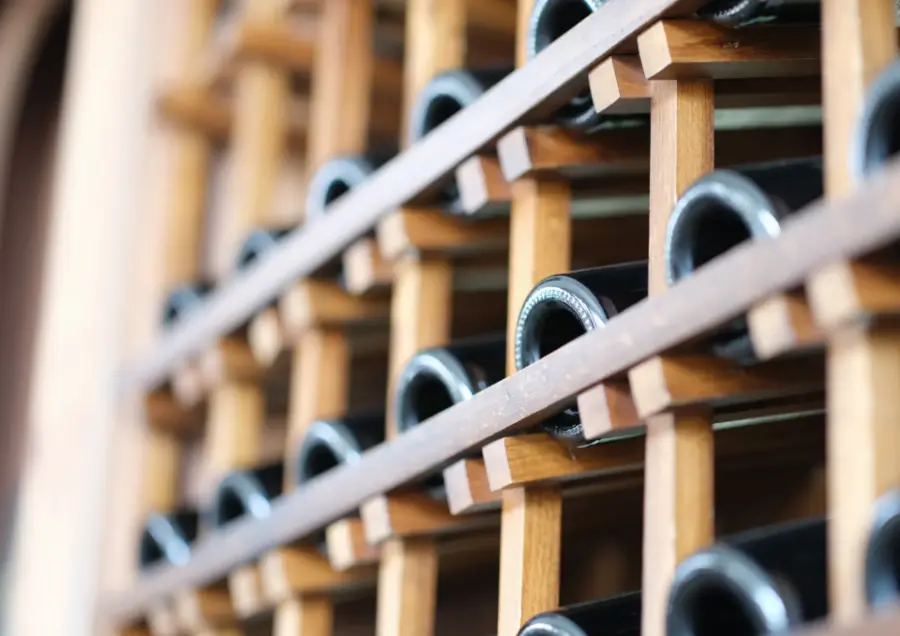
Store cork-sealed bottles on their side
Avoid placing wine near air-conditioning outlets
Use climate-controlled or humidity-regulated wine fridges when possible
Movement, Vibration, and Accelerated Aging
Movement is unavoidable on yachts. Engines, generators, stabilisers, wave action, and marina activity all contribute to vibration. Over time, vibration disrupts sediment, agitates compounds in wine, and contributes to accelerated aging.
This effect is particularly damaging to vintage wines, fine wine, and wines intended for long-term storage.
Best practice:
Secure wine bottles in padded racks
Minimise movement as much as possible
Avoid storing valuable wines near machinery spaces
Light Exposure and Direct Sunlight
Direct sunlight and prolonged exposure to artificial light can negatively affect wine. UV light interacts with compounds in wine, particularly in lighter styles such as white wine, rosé, and Champagne.
Modern luxury yachts often feature expansive windows and glass wine displays, which can inadvertently expose wine to harmful light.
Best practice:
Avoid direct sunlight in wine storage areas
Use UV-protected glass for wine displays
Store wines in dark or enclosed environments whenever possible
Wine Storage Solutions on Yachts and Superyachts
Wine Fridges and Climate-Controlled Storage
A wine fridge designed for marine use is one of the most practical wine storage solutions on yachts. Marine wine fridges are built to withstand vibration, maintain stable temperature range, and operate in humid environments.
Wine fridges are suitable for both red wines and Champagne bottles, offering secure storage for day-to-day service and short-term onboard storage.
Custom Wine Cellars and Wine Walls
On larger superyachts, custom wine cellar installations and wine walls are increasingly common. These solutions can include:
Climate-controlled tasting room spaces
Display wine walls for guest areas
Custom design storage adapted to hull geometry
While visually impressive, wine displays must still prioritise ideal storage conditions over aesthetics.
Off-Board Wine Storage: A Strategic Solution
For yacht owners with large wine collections or expensive wines, storing wine on board year-round may not be the most practical solution.
Professional, climate-controlled cellars ashore allow wine to be stored under perfect storage solution conditions and delivered only when required. This approach protects wine during refits, crossings, and long idle periods.
Off-board storage also simplifies inventory management and ensures wines are not exposed to unnecessary risks at sea.
Best Practices for Storing Wine on a Boat
To properly store wine on a yacht, consider the following professional guidelines:
Keep the majority of your wine collection in a climate-controlled environment
Store wine bottles horizontally to maintain contact with the cork
Use wine racks or secure storage to prevent movement
Monitor storage conditions regularly
Allow wines to rest after long passages before service
Separate daily service wines from long-term storage wines
Wine Storage for Charter Yachts
Charter yachts face additional pressure due to frequent turnover, varying guest preferences, and demanding service schedules. Maintaining consistent wine storage on yachts used for charter requires careful planning and reliable supply chains.
Charter operations benefit from:
Dedicated onboard wine storage for high-rotation bottles
Reduced onboard storage of rare or vintage wines
Reliable global wine supply partnerships
Common Questions About Wine Storage on Yachts
How should wine be stored on a yacht?
Wine should be stored in a cool, dark, climate-controlled space with minimal vibration and a stable humidity level.
Can wine be damaged at sea?
Yes. Movement, temperature fluctuations, direct sunlight, and poor humidity control can all damage wine and accelerate aging.
Is it safe to store wine long-term on board?
Long-term storage on board is possible only with proper temperature control and minimal vibration. Otherwise, off-board storage is recommended.
Related Beverage Categories
Wine Selection for Yachts
Selecting wine for yachts requires a careful balance between guest expectations, menu design, available storage space, and cruising itineraries. This category features a broad portfolio of red wines, white wines, rosé wines, sweet wines, and sake, supporting everything from refined fine-dining service to relaxed onboard enjoyment and efficient provisioning strategies.
A well-considered wine selection ensures alignment with onboard cuisine, storage conditions, and service style—whether for private ownership or charter operations.
Champagne, Prosecco & Sparkling Wines
Champagne, prosecco, and sparkling wines are essential elements of the onboard beverage offering, particularly for guest arrivals, celebrations, events, and charter hospitality. These wines contribute significantly to first impressions and the overall perception of luxury at sea.
Partnering with a specialist yacht wine supplier allows vessels to maintain consistent wine lists and dependable quality, regardless of cruising region or seasonal availability.
Spirits, Cocktails & Bar Essentials
Spirits and liqueurs are the backbone of professional yacht bar operations and cocktail service. This category includes vodka, gin, rum, whiskey, tequila, brandy, cognac, calvados, grappa, cachaça, absinthe, aperitifs, bitters, syrups, and mixers—supporting both classic cocktail programs and premium spirits selections.
Alcohol-free spirits and non-alcoholic alternatives are also available, reflecting the growing demand for wellness-conscious and inclusive beverage options onboard.
Waters, Soft Drinks & Non-Alcoholic Beverages
Hydration and non-alcoholic refreshments play a vital role in guest satisfaction and crew wellbeing. This category includes still and sparkling waters, soft drinks, juices, and mixers, suitable for everyday consumption, cabin service, and bar operations.
On superyachts, premium bottled waters are a standard requirement—particularly in warm cruising regions and high-demand charter environments where hydration, quality, and presentation are essential.
Conclusion: Elevating Wine Care at Sea
Wine storage on yachts presents unique challenges that demand professional attention. From limited storage space on board to vibration, humidity, oxidation, and temperature control, storing wine at sea requires informed decision-making and expert solutions.
For yacht owners and crew, investing in proper wine storage—whether onboard or ashore—protects valuable wine collections, enhances guest experience, and upholds the standards expected on luxury yachts and superyachts.
With the right approach, wines at sea can be enjoyed exactly as intended—no matter where in the world your yacht travels.
Learn how to select the best wine for your next charter or boss trip here



