
Superyacht wifi, Internet Connectivity & SIM Solutions
This page helps yacht owners and crew understand marine internet connectivity options, including SIM cards, eSIMs, and onboard networking technologies for reliable internet at sea. Reliable internet connectivity is no longer a luxury on board modern boats, yachts, and superyachts—it is a core onboard system. From navigation updates and weather routing to crew communications, remote work, streaming, and onboard operations, dependable marine internet connectivity directly impacts safety, efficiency, and onboard experience.
This category brings together professional marine internet connectivity solutions and SIM-based data options designed specifically for use at sea. Unlike consumer land-based devices, marine connectivity systems must function reliably in challenging environments, handling vessel movement, variable signal strength, extended coastal ranges, and seamless switching between multiple network sources.
Whether your vessel operates primarily near shore, moves between marinas, or requires extended offshore coverage, understanding the available connectivity technologies is essential to building a stable onboard network.
Understanding Marine Internet Connectivity at Sea
Marine internet systems typically combine several technologies to ensure continuous connectivity:
4G and 5G mobile networks for high-speed coastal and nearshore coverage
SIM cards and eSIMs for flexible data access across regions and countries
Advanced routers and antennas to maximise signal strength and manage multiple connections
Hybrid systems that automatically switch between available networks to maintain uptime
Professional-grade marine connectivity equipment—commonly supplied by industry-leading manufacturers such as Sat-Elite and Peplink—uses intelligent load balancing and failover to ensure the best available connection is always in use. This approach is critical for yachts that move between coverage zones or operate across different countries and regions.
How to Choose the Right Marine Internet Solution
Selecting the right onboard internet setup depends on several factors:
Vessel type and size (boat, yacht, or superyacht)
Operating area (inland waters, coastal cruising, or extended offshore use)
Data usage requirements (navigation, work, crew welfare, guest usage)
Number of onboard users and devices
Need for redundancy and failover
Most modern yachts benefit from a multi-layered connectivity approach, combining mobile networks with intelligent routing and flexible SIM management rather than relying on a single connection source.
Explore Our Connectivity Categories
To help you build the right onboard network, this category is organised into three dedicated sections. Each focuses on a specific part of the marine connectivity ecosystem and can be explored in more detail via internal links.
Connectivity Technologies
This section covers marine routers, antennas, signal boosters, and network management devices designed to maximise internet performance at sea. These systems form the backbone of onboard connectivity, managing multiple WAN sources, prioritising traffic, and ensuring stable Wi-Fi distribution throughout the vessel.
Connectivity technologies are essential for vessels that require:
reliable nearshore and marina connectivity,
seamless switching between networks,
strong onboard Wi-Fi coverage.
eSIMs
eSIM technology offers a flexible, modern alternative to traditional physical SIM cards. Marine eSIMs allow vessels to switch data plans digitally, often across multiple regions, without physically changing SIM cards onboard.
This solution is particularly useful for:
yachts cruising across borders,
vessels operating in multiple countries,
reducing downtime when changing data providers.
SIM Cards
Marine SIM cards remain a core component of yacht connectivity systems. These SIMs are designed for data-heavy, multi-user marine environments, offering regional or international coverage options depending on the vessel’s cruising area.
SIM cards are commonly used in:
4G and 5G marine routers,
backup connectivity systems,
hybrid internet setups alongside satellite services.
Why Professional Marine Connectivity Matters
Marine internet systems are not simply about speed. They provide:
operational reliability,
communication redundancy,
improved onboard safety,
better quality of life for crew and guests.
By using marine-grade equipment and properly configured SIM or eSIM solutions, vessels can maintain stable connectivity even as conditions and locations change.
A Smarter Approach to Onboard Internet
Modern marine connectivity is about intelligent network design, not just adding more data. Combining the right connectivity technologies with flexible SIM and eSIM solutions ensures your vessel stays connected wherever operations take you.
Voice SIM & eSIM Options for Yachts and Crew
Discover our full range of marine voice SIM and 5G eSIM data plans, designed specifically for yachts, superyachts, and crew connectivity worldwide. From low-usage prepaid options like 2GB global plans to high-volume EU and global data packages up to 1TB, we offer flexible solutions for every cruising profile.
Our SIM and eSIM options include:
Prepaid and monthly subscription plans
EU and global coverage
Short-term and long-term validity
Plans suitable for crew, guests, and onboard systems
Explore all available plans and specifications on our dedicated page:
👉 here
Not sure which marine eSIM or voice SIM plan is right for your yacht or crew? Read our detailed guide on choosing the right data plan for onboard connectivity.
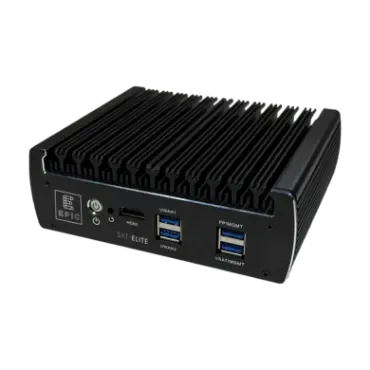

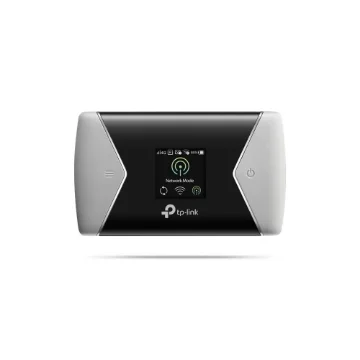
Tp-Link M7450 Cellular Network Device Cellular Network Router - M7450
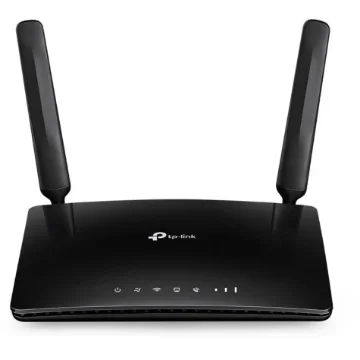
Tp-Link N300 4G Lte Telephony Wifi Router - TL-MR6500v
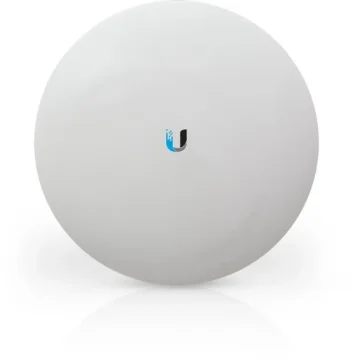
Ubiquiti Nanobeam 5AC Gen 2 Network Bridge 450 Mbit/S White - NBE-5AC-GEN2
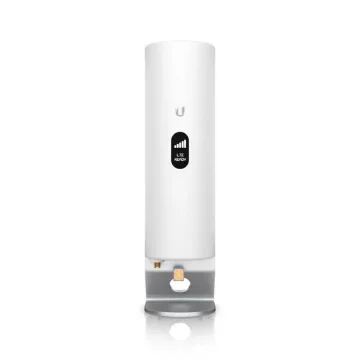
Ubiquiti U-Lte-Pro Cellular Network Device Cellular Network Modem - U-Lte-Pro
Frequently Asked Questions
What is marine internet connectivity and how does it work on yachts?
Marine internet connectivity refers to onboard systems that provide internet access at sea using a combination of 4G/5G mobile networks, SIM cards, eSIMs, antennas, and marine routers. These systems are designed to maximise signal strength, manage multiple connections, and automatically switch between available networks as the yacht moves between marinas, coastal waters, and offshore areas.
How is yacht internet different from standard home or mobile internet?
Yacht internet systems are built for a moving environment with fluctuating signal conditions. Unlike home internet, marine connectivity must handle longer distances from shore, vessel motion, saltwater exposure, and network handovers. Marine-grade routers and antennas are specifically designed to maintain stable connections where consumer devices typically fail.
What is the best internet solution for yachts and boats?
The best internet solution for yachts is usually a hybrid setup combining:
marine 4G/5G connectivity for high-speed coastal coverage,
SIM cards or eSIMs for flexible data access,
and intelligent routers that manage failover and load balancing.
This approach ensures reliable internet both in marinas and while cruising along the coast.
What are marine SIM cards and how are they used on yachts?
Marine SIM cards are data SIMs designed for use in marine routers and onboard connectivity systems. They provide mobile data access through coastal cellular networks and are commonly used for navigation updates, communication, streaming, and crew welfare. Marine SIM cards are often available with regional or multi-country coverage, making them suitable for yachts that travel across borders.
What is an eSIM and why is it useful for yachts?
An eSIM is a digital SIM that allows data plans to be activated and changed remotely without physically replacing a SIM card. For yachts, eSIMs are useful because they enable quick switching between providers or regions, reduce downtime, and simplify connectivity management for vessels cruising internationally.
Can yachts use 4G and 5G internet at sea?
Yes, yachts can use 4G and 5G marine internet within range of coastal mobile networks. With the right antennas and routers, usable connectivity can extend well beyond what a standard mobile phone would achieve. Performance depends on distance from shore, network availability, and antenna height.



