


Marine AIS Systems for Yachts & Commercial Vessels
Professional marine AIS systems, AIS transceivers, vessel tracking equipment, and collision avoidance systems for yachts, superyachts, sailing yachts, and commercial vessels. YACHTNEEDS supplies trusted marine-grade AIS navigation equipment with Europe-wide delivery to major yachting hubs including Antibes, Monaco, Cannes, Genoa, Viareggio, Palma, Barcelona, and Athens.
Marine AIS systems play a critical role in modern yacht navigation, offshore situational awareness, and vessel safety. AIS, or Automatic Identification System technology, allows yachts and commercial vessels to electronically transmit and receive real-time navigational information including vessel identity, position, speed, heading, and movement data.
At YACHTNEEDS, we supply professional marine AIS systems specifically designed for the operational requirements of yachts, superyachts, sailing yachts, support vessels, and commercial marine vessels operating throughout Europe and the Mediterranean.
Our marine AIS category includes AIS transceivers, AIS receivers, vessel tracking systems, bridge integration equipment, marine navigation electronics, AIS antennas, and onboard traffic monitoring solutions designed to support safer offshore navigation and improved bridge awareness.
AIS systems are widely used onboard for:
- Collision avoidance
- Vessel traffic monitoring
- Offshore navigation safety
- Marina and harbour traffic awareness
- Bridge situational awareness
- Commercial vessel identification
- Search and rescue support
- Route monitoring and vessel tracking
- Maritime compliance support
- Integrated bridge system connectivity
Modern AIS systems help captains and bridge crew identify nearby vessels, monitor marine traffic patterns, and improve decision-making during offshore passages, reduced visibility conditions, and busy marina operations.
YACHTNEEDS works with reputable yachting-specific suppliers and trusted maritime electronics manufacturers to provide professional marine-grade AIS systems built for demanding offshore environments. We support vessels operating throughout major European yachting destinations including Antibes, Monaco, Cannes, Genoa, Viareggio, Palma de Mallorca, Barcelona, Athens, and other Mediterranean yacht marinas and ports.
Types of Marine AIS Systems
Our AIS navigation solutions may include:
- AIS transceivers
- AIS receivers
- Integrated bridge AIS systems
- Marine AIS antennas
- GPS integrated AIS units
- Class A AIS systems
- Class B AIS systems
- Vessel traffic monitoring systems
- Offshore vessel tracking equipment
- AIS navigation accessories
These onboard navigation systems help improve:
- Offshore operational safety
- Vessel visibility to nearby traffic
- Bridge navigation awareness
- Collision risk reduction
- Navigation efficiency
- Marina traffic coordination
- Long-distance cruising operations
- Professional bridge management
Modern integrated bridge systems commonly combine AIS technology with radar systems, electronic charts, GPS navigation, and marine communication systems to provide a complete onboard navigation environment.
Why AIS Systems Matter Onboard
Professional AIS systems help captains and crew:
- Monitor surrounding vessel traffic
- Improve offshore situational awareness
- Enhance navigation safety
- Support collision avoidance procedures
- Improve bridge operational efficiency
- Navigate busy shipping areas more safely
- Increase vessel visibility to other traffic
- Support safer offshore passages
Reliable AIS navigation systems are especially important for yachts operating throughout the Mediterranean and European waters where busy marinas, shipping routes, and offshore traffic require advanced onboard navigation awareness.
For additional bridge and navigation systems, explore our related marine communication systems, radar equipment, bridge electronics, and navigation accessories categories. Also visit our internally linked “How to use YACHTNEEDS” page for assistance sourcing marine AIS systems and professional yacht navigation equipment.
Contact us if you have questions related to any product you see on YACHTNEEDS or if you cannot find what you are looking for and we will source it for you. Contact us.
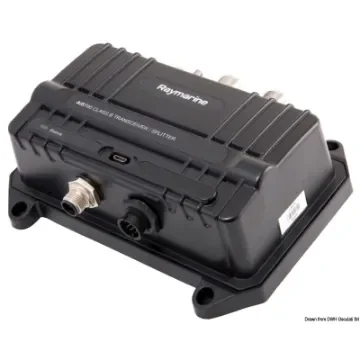
Osculati - AIS700 RAYMARINE Transceiver - 29.710.96
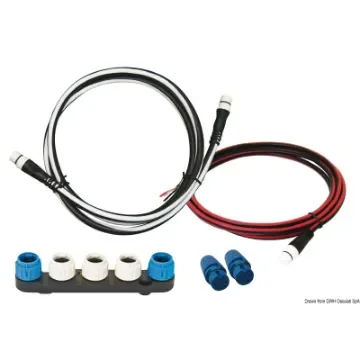
Osculati - Basic STNG kit - 29.602.01
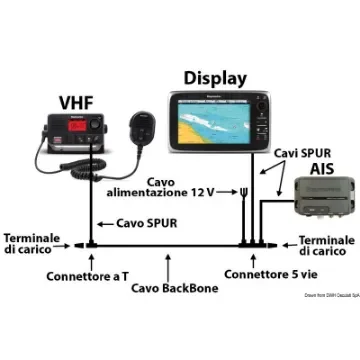
Osculati - Gateway interface wireless T120 to STNG - 29.602.15
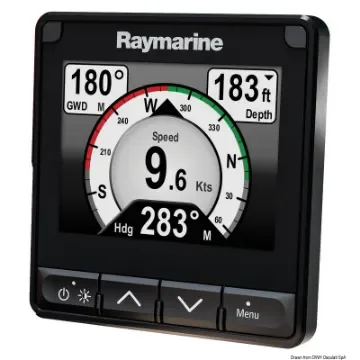
Osculati - i70s System Pack - 29.603.10
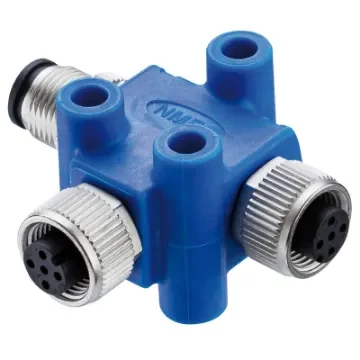
Osculati - Junction not 3xNMEA 2000 2F+1M receptors - 29.363.02
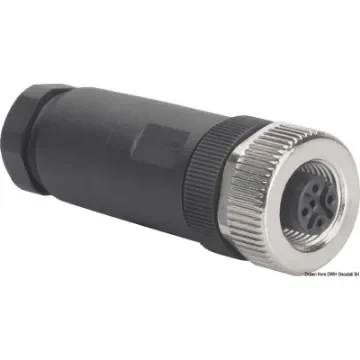
Osculati - NMEA 2000 female terminal connector - 27.364.02
Osculati - ST1 to STNG converter kit - 29.602.03

Osculati - STNG Backbone terminator - 29.602.13
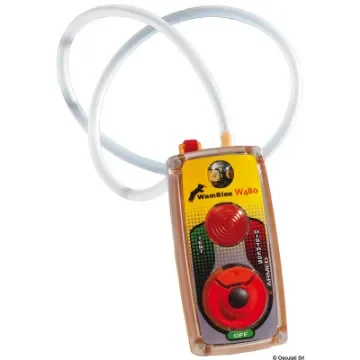
Osculati - Wamblee W480 MOB AIS+DSC Signaller – O - 29.650.01
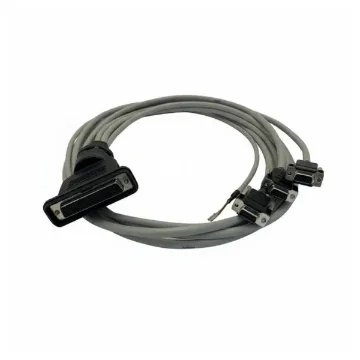
ACR AIS Data Power Cable 1.5M with Sensor 2617
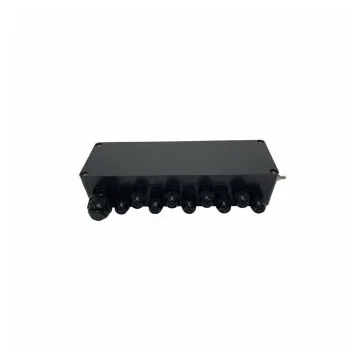
ACR Marine AIS Cable Junction Box - 2640
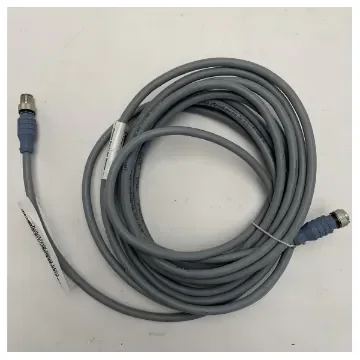
Airmar Backbone 6m NMEA2000 Cable with UV Resistant Jacket and M12 Connectors - 33-565-04
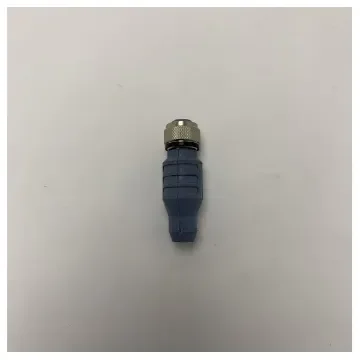
Airmar NMEA Micro Female Connector Terminator for Reliable Marine Data Network Ends - 33-579-02
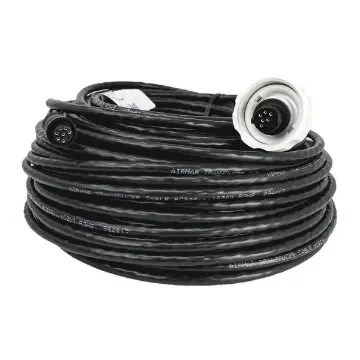
Airmar NMEA0183 data cable for PB150 25M - 33-862-03
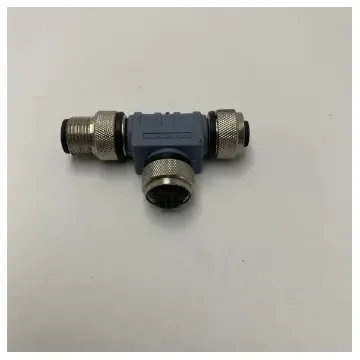
Airmar NMEA2000 Micro-T Connector 33-580-01 for Reliable Marine Data Network Connections
Frequently Asked Questions
What is a marine AIS system?
A marine AIS system (Automatic Identification System) electronically transmits and receives vessel information such as position, speed, heading, and vessel identity to improve navigation safety and traffic awareness.
Why are AIS systems important on yachts?
AIS systems help improve collision avoidance, offshore situational awareness, vessel visibility, and safer navigation during offshore and marina operations.
What is the difference between Class A and Class B AIS systems?
Class A AIS systems are typically used on commercial vessels with higher transmission power and reporting frequency, while Class B systems are commonly used on recreational yachts and smaller vessels.
Do you supply AIS systems across Europe?
Yes. YACHTNEEDS supplies professional marine AIS systems and navigation electronics throughout Europe and major Mediterranean yachting hubs.
Can AIS systems integrate with radar and chartplotters?
Yes. Modern AIS systems commonly integrate with radar systems, chartplotters, GPS navigation systems, and integrated bridge electronics.



